ANSYS Course
Learn ANSYS from beginner to advanced level and master finite element analysis, structural simulation, thermal analysis, meshing, product validation, and engineering simulation workflows used in modern industries.
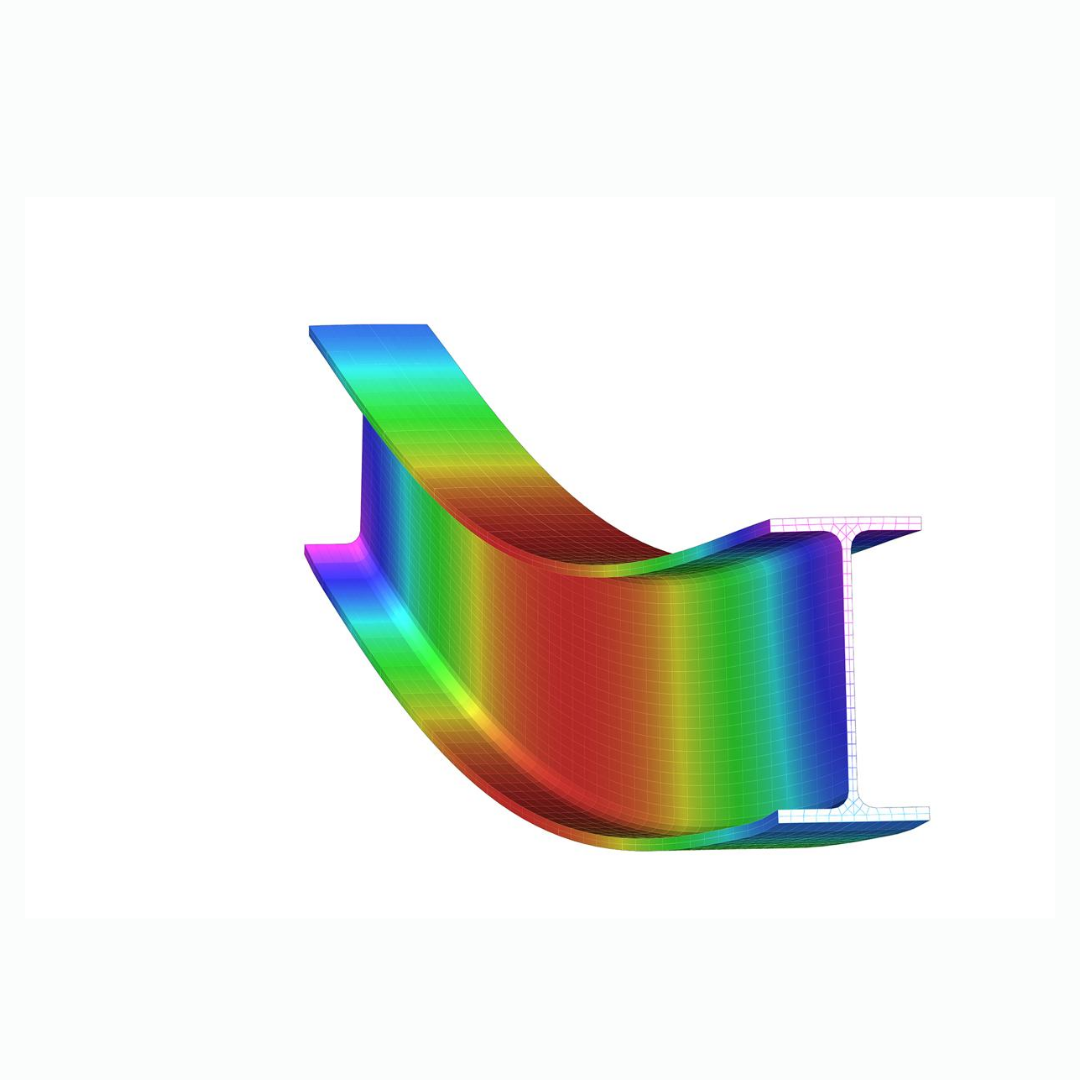
Complete ANSYS Training
Beginner → Advanced Level Training
Course Overview
ANSYS is one of the most powerful engineering simulation and finite element analysis software used in mechanical, aerospace, automotive, manufacturing, and product development industries. This course is specially designed for engineering students, diploma holders, professionals, and mechanical engineers who want to master structural analysis, thermal analysis, and engineering simulations. Students will learn how to simulate real-world engineering problems, test product performance, analyze stress, thermal conditions, vibrations, and optimize designs using ANSYS Workbench. The training includes practical projects, industrial workflows, hands-on simulations, and real engineering case studies to build strong analytical and simulation skills. By the end of the course, students will confidently perform engineering simulations, solve industrial design problems, and improve product performance using ANSYS software.
Course Syllabus
Introduction to ANSYS
Introduction to FEA
GUI of ANSYS
General Procedure of Conducting FEA
Types of Analysis
Adding Materials into Current Library
Creating New Materials
Material Properties and Engineering Data
Create Geometry
Import Geometry
Geometry Cleanup
Editing and Preparing Models
Mesh Generation
Global Mesh Settings
Local Mesh Controls
Mesh Optimization Techniques
Defining Manual Contacts
Defining Joints and Joint Loads
Static Structural Analysis
Modal Analysis
Steady-State Thermal Analysis
Transient Thermal Analysis
Thermal Structural Coupling
Buckling Analysis
Explicit Dynamics
Rigid Dynamics
Parameter Creation
Parametric Simulations
Design Variations
Result Comparison
Design Optimization Concepts
Performance Improvement
Weight Reduction Techniques
Simulation-Based Optimization
Topology Optimization Basics
Material Distribution
Lightweight Design Techniques
Advanced Optimization Workflows
Viewing Simulation Results
Stress and Deformation Analysis
Thermal Result Interpretation
Report Generation